PayMe - Claim Your Money
- 4.5
- Rating
- 500.00K
- Installs
- Free
- Price

 Analysis by App-foxy
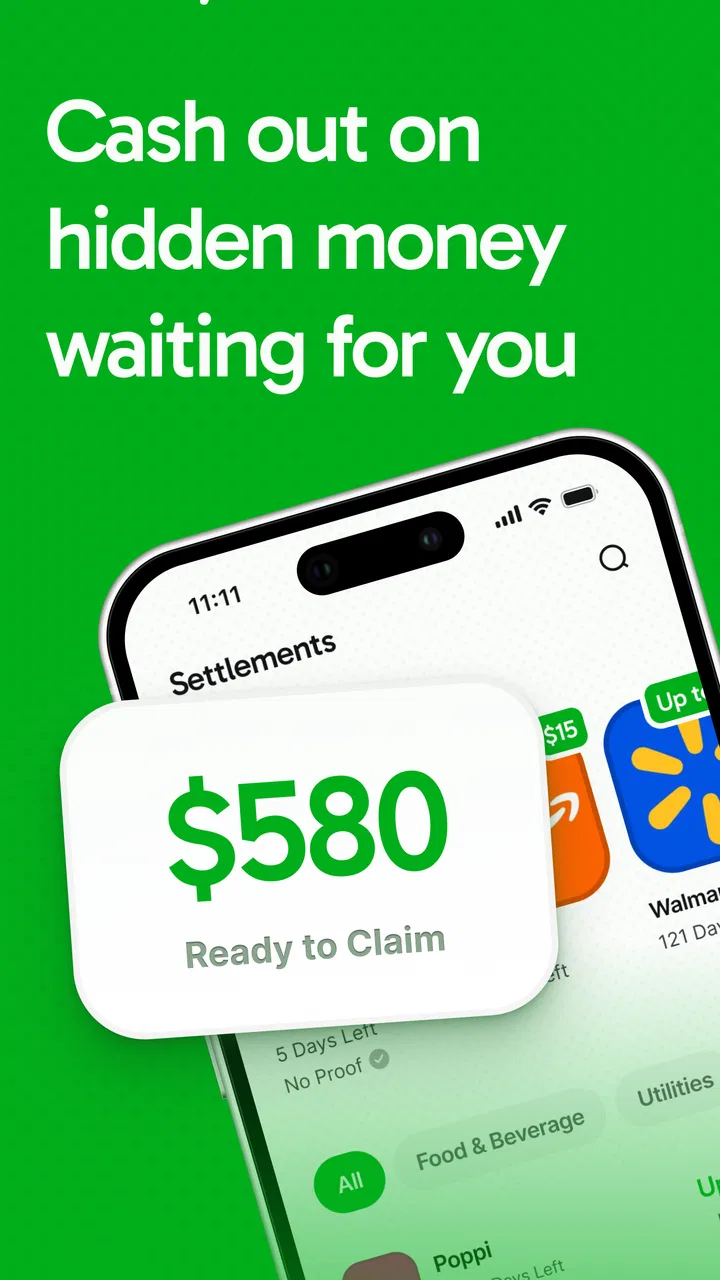
PayMe - Claim Your Money is a finance app from Prove It that takes a different route from the usual budgeting, banking, and payment tools. Instead of helping me track spending or move money between accounts, it is aimed at people who may be entitled to money from settlements involving companies that harmed them. That makes its usefulness highly dependent on timing, personal circumstances, and a willingness to review claims carefully.
After spending time with it, my main impression is that PayMe is best understood as a claim-discovery and claim-follow-up tool rather than a general-purpose money app. It does not replace a bank, a lawyer, or a careful reading of settlement terms. What it can do is make a process that many people would otherwise ignore feel more approachable on a phone. The important question is not whether the app promises easy money, but whether a particular claim genuinely fits your situation.
How PayMe fits into the finance app landscape
Most finance apps focus on familiar tasks: checking balances, building a budget, monitoring credit, or sending payments. PayMe sits outside that routine. Its purpose is to help users look for money connected with settlements involving companies accused of causing harm, then take the steps needed to pursue an eligible claim.
You May Also Like

 Blood Strike: 2.5 Anniversary
Blood Strike’s Loadouts Turn Every Drop Into a Tactical Gamble
A close look at Blood Strike’s custom loadouts: how fast access to signature weapons reshapes its battle royale rhythm, rewards preparation, and narrows the gap between fights.

 Pandora - Music & Podcasts
Pandora’s Music Is Easy to Start, but Harder to Recover
Pandora’s strength is its low-effort path from a seed to a station. Its weak spot is how much confidence it asks you to place in connection, setup, and quiet recovery.

 8 Ball Pool
 Is Built on Rivalries, Rematches, and Routine
A close look at the rivalries, rematches, shared routines, and unanswered safety questions that turn a quick pool match into a persistent mobile community.

 Samsung Music
’s Quiet Strength Is Playing What You Already Own
Its reach comes less from spectacle than from dependable access to a personal library. That simplicity is both the app’s strongest retention engine and its ceiling.

 AccuWeather: Weather Radar
AccuWeather Review: A Quick, Clear Forecast for Everyday Decisions
For everyday plans, the best forecast is the one you can understand quickly. AccuWeather makes rain timing, radar, and local conditions easy to act on, with a few trade-offs.

 Hill Climb Racing
Why Hill Climb Racing Still Turns Crashes Into One More Run
A tiny car, a bumpy hill and one more upgrade: Hill Climb Racing keeps resurfacing because its simple chaos makes every near-miss feel personal.
More From Our News Desk



That distinction matters because the app is not equally useful every day. A budgeting app can be opened whenever I buy groceries or receive a paycheck. PayMe becomes relevant when a settlement matches something I experienced, purchased, subscribed to, or otherwise encountered. Its value is therefore occasional but potentially meaningful, especially for people who would never hear about a settlement through news coverage or legal notices.
The app is free to install, although it includes purchases ranging from $4.99 to $299.99 per item. I would approach those purchases carefully and make sure I understand what I am paying for before confirming anything. A free starting point makes it easier to explore, but “free” should not be treated as a guarantee that every part of the experience will remain cost-free.
PayMe is rated for Everyone, which makes its presentation broadly accessible rather than aimed at a specialist financial audience. It has reached over 500 thousand installs and carries a 4.5 average from around 17 thousand ratings, with roughly 1.2 thousand written reviews. Those figures suggest that the idea has attracted substantial interest, but they do not remove the need to judge each claim on its own merits.
What the first session is really for
My advice is to treat the first session as an orientation exercise, not as a promise of immediate payment. Read the wording around each opportunity, check whether the relevant dates and circumstances apply to you, and note what information the claim process asks for. The most useful habit is to slow down before submitting anything.
Settlement claims can depend on details that are easy to overlook. A person may remember using a product but not the exact period, account, purchase, or location involved. That is where PayMe can be helpful as a prompt, but it cannot replace my own records. I would keep receipts, emails, account notices, and other supporting material nearby rather than relying entirely on memory.
One practical workflow is to separate “possibly relevant” from “ready to submit.” On the first pass, I would save or note opportunities that sound familiar. On the second pass, I would verify the facts and read the conditions more closely. This reduces the chance of rushing through a form simply because the headline sounds promising.
Why a stable connection changes the experience
Connectivity is central to this kind of app. Claim information can change, forms may require current details, and submission steps depend on communicating with online services. I would not plan to investigate a settlement for the first time in a place with unreliable reception, especially if I need to check email, retrieve a document, or move between several verification screens.
A strong connection also helps with concentration. When a page loads slowly or a form appears to pause, it becomes harder to tell whether the app is processing a request or whether the network has stalled. That uncertainty is more frustrating in a financial workflow than in a casual entertainment app because I want confidence that an action has actually been recorded.
For that reason, I prefer using PayMe on a dependable home or office connection when reviewing a claim in detail. A mobile connection can be perfectly suitable for a quick check, but I would avoid starting a long submission while moving through a crowded station, driving as a passenger on a patchy route, or sitting somewhere I know regularly loses signal.
Using it in everyday mobile situations
The app makes the most sense in short, deliberate sessions. I can imagine checking it during a lunch break after seeing a reminder about a company I have used, or reviewing a possible claim at home after finding an old purchase email. Those are better situations than opening it absent-mindedly while waiting in a queue and submitting information without checking the details.
Small screens create their own friction. Legal explanations, eligibility conditions, and privacy wording can be tiring to read on a phone, particularly when I am trying to compare dates or remember an old transaction. I would rotate the task into a quiet moment, enlarge text if needed through the device settings, and avoid treating a quick scroll as a full review of the terms.
A useful mobile habit is to keep a short note outside the app with the facts I still need to verify. For example, I might write down a product name, the approximate purchase period, or the email address associated with an account. That prevents repeated switching between screens and reduces the temptation to guess when a form asks for information I do not immediately remember.
Another realistic scenario is helping a family member who is less comfortable with online forms. PayMe may make the opportunity easier to find, but I would let that person review and approve every statement before anything is submitted. Assistance with navigation is different from making a claim on someone else’s behalf, and that distinction is important in a finance-related process.
Where the process can fail
The most obvious failure point is a weak or interrupted connection during a form. If the app stops responding, I would not immediately press the submit control repeatedly. Instead, I would wait, check whether a confirmation appeared, and look for a clear record of the claim before trying again. Duplicate submissions or uncertainty about whether information went through are exactly the kinds of problems that call for patience.
I would also prepare for interruptions caused by ordinary phone use: an incoming call, a battery warning, a security timeout, or switching to an email app to find a document. Before beginning, it is sensible to charge the phone, close unnecessary apps, and gather the information likely to be needed. That is not glamorous advice, but it can prevent a half-finished claim from becoming a confusing one.
If a session fails, my recovery approach would be simple. Reopen the relevant opportunity, check whether the app shows a saved or submitted state, and avoid entering the same information again until that status is clear. If the process asks for a confirmation message, I would keep it for my records. I would also record the date of submission in a personal note so that later follow-up is easier.
There is a second kind of failure that has nothing to do with technology: misunderstanding eligibility. A claim can sound familiar while still not applying to me. This is where PayMe should be used as a guide, not as an automatic approval system. If the wording is unclear, I would pause and read the official settlement explanation or seek qualified advice rather than making assumptions from a short summary.
Being careful with mobile data and personal information
Because this is a finance app, I would be selective about when and where I use it. A home connection is my first choice for detailed work, not because mobile data is automatically unsuitable, but because reviewing long explanations and checking documents can consume time and attention. If I am on a limited plan, I would avoid repeatedly refreshing pages while travelling and wait for a more predictable connection.
Data-conscious use also means reducing unnecessary repetition. I would not reopen the same settlement several times just to reread a screen that I could note down once. Saving my own checklist of questions, dates, and documents can make the next session shorter and reduce the amount of loading required.
Privacy deserves equal attention. Claim forms can involve personal details, so I would use a private setting and avoid entering sensitive information while connected to an unfamiliar public network. I would also check every field before submitting, particularly email addresses and identifying details. A small typo can make an otherwise valid claim harder to follow up.
I would not upload documents merely because an opportunity sounds interesting. First I would establish that I appear to qualify, understand why the document is needed, and feel comfortable with the request. This is one of the strongest trade-offs in the app: convenience can bring possible opportunities to my attention, but convenience should never override careful handling of personal information.
How it compares with the usual alternatives
The traditional alternative is to find settlement notices independently through news articles, legal websites, consumer groups, or email alerts. That route can be more transparent for people who want to inspect the original wording themselves, but it also requires more searching and organization. PayMe’s appeal is the possibility of bringing relevant opportunities into a more approachable mobile workflow.
On the other hand, a spreadsheet or notes app may be better for someone who already follows settlements closely. I can record deadlines, eligibility questions, documents, and submission status with complete control. That method lacks PayMe’s focused discovery experience, but it may suit a user who prefers to verify everything from primary sources and does not want an additional service involved.
A lawyer or consumer advocate is the better alternative when the situation is complicated, high-stakes, or disputed. PayMe can help someone notice a possible settlement, but it is not a substitute for professional interpretation. Likewise, a bank app is still the right tool for balances, transfers, and ordinary money management. Choosing PayMe because it is in the finance category would be a mistake if the real need is budgeting or account control.
The app is also not ideal for a person who expects predictable income. Settlement payments can depend on eligibility, deadlines, review, and the terms of a particular case. Anyone needing immediate cash should not plan around a possible claim. I would view any eventual payment as uncertain and separate from my normal financial planning.
Who will get the most from it
PayMe is most appealing to people who have used many products and services over the years but rarely follow consumer news. It can serve as a reminder to investigate opportunities that might otherwise pass unnoticed. It is also useful for organized users who are willing to compare the app’s information with their own records before proceeding.
It may be less suitable for people who dislike online forms, have limited access to a reliable connection, or are uncomfortable reviewing legal language on a phone. Those users may prefer a larger screen, direct access to official notices, or help from someone they trust. The app’s mobile format is convenient, but convenience does not make detailed reading effortless.
I would also skip it as a casual “maybe I will get money” app. The right mindset is investigative. Open it when I have time to verify a possible connection, not when I am looking for entertainment or a guaranteed result. That change in expectation makes the experience feel more honest and reduces pressure to submit claims that do not fit.
My connectivity verdict
PayMe works best when I give it a stable connection, a quiet setting, and enough time to check the details. Its strongest contribution is not turning settlements into instant cash; it is lowering the effort required to notice and investigate opportunities. The network-dependent nature of the process means that preparation matters more here than it would in a simple calculator or offline notes tool.
The current version is 4.7, and the app is available for devices running Android 7.0 or later. That broad compatibility makes it accessible to many Android users, while the Everyone rating keeps its intended audience wide. Still, compatibility alone does not make every claim appropriate, and the optional purchases deserve a careful look before use.
My final recommendation is measured but positive. I would suggest PayMe to a reader who wants a convenient place to explore possible settlement claims and is prepared to verify eligibility, protect personal information, and recover patiently from connection problems. I would not recommend relying on it for regular income, replacing professional advice, or submitting forms without reading them. Used as a careful research companion, PayMe can turn an easy-to-miss financial opportunity into a task I can evaluate on my own terms.
FAQs for PayMe - Claim Your Money
01What is PayMe - Claim Your Money and how does it work?
PayMe - Claim Your Money is designed to help users identify and claim money that may be owed to them, such as refunds, compensation, rebates, or other eligible payments. After installing the app, you generally provide personal and claim-related details, review possible opportunities, and follow the instructions for submitting a request. The exact services and eligibility rules can vary by location and claim type.
02Is PayMe - Claim Your Money available in every country?
Availability may depend on your country, region, and the types of claims supported by the service. Some opportunities are limited to specific legal jurisdictions, companies, or consumer-protection programs, so users in one location may see different results from users elsewhere. Before spending time completing a claim, check the app’s eligibility information and confirm that your address and circumstances are supported.
03Does PayMe - Claim Your Money charge fees?
Before submitting any claim, carefully review the app’s fee structure and terms. Some claim services may be free, while others can charge a processing fee, take a percentage of recovered funds, or apply costs only when a claim succeeds. Do not assume that every service is free simply because the app can be downloaded without payment. Confirm the final amount you may receive.
04Is my personal information safe when using PayMe - Claim Your Money?
Because a money-claim application may request information such as your name, contact details, address, purchase history, or payment data, privacy should be considered before registration. Read the privacy policy, check what information is collected and why, and verify how long it is retained or shared. Avoid entering banking passwords, security codes, or unnecessary sensitive information unless the app clearly explains why it is required.
05How long does it take to receive money through PayMe - Claim Your Money?
The time required depends on the type of claim, the organization handling it, the accuracy of your documents, and whether additional verification is needed. Some requests may be reviewed relatively quickly, while formal compensation or refund processes can take considerably longer. Keep copies of submitted information, monitor the claim status inside the app, and respond promptly if the service requests clarification or supporting evidence.
Pros
- Simple interface makes it easy to create and track money claims.
- Useful reminders help users follow up on unpaid requests.
- Supports digital records
- reducing the need for paper receipts.
- Clear claim status updates improve visibility throughout the process.
- Convenient for organizing multiple claims in one place.
Cons
- Availability of features may vary by country or supported payment systems.
- Some claims may require manual verification or additional documentation.
- Users may need to share sensitive financial or contact information.
- Resolution times can depend on the recipient or external provider.
- Limited usefulness if friends or businesses do not use the same service.

PayMe - Claim Your Money
Gallery